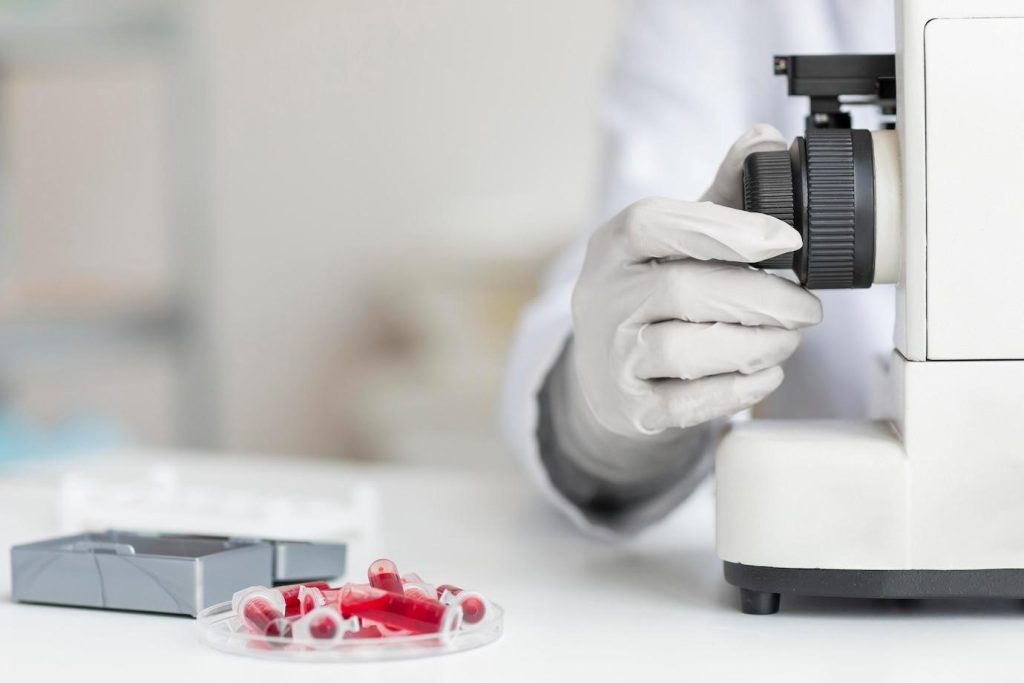
Advancements in diagnostic tools have revolutionized the way cancer is detected and diagnosed. These tests improve patient outcomes by enabling early identification and personalized treatment plans.
Importance Of Early Detection
Early detection of cancer is vital for successful treatment and improved survival rates. Diagnostic tools allow healthcare professionals to identify cancer at its earliest stages when it is most treatable. This is particularly important for aggressive cancershttps://www.yoga-central.net which can spread rapidly if not caught early. By detecting cancer in its early stageshttps://www.yoga-central.net diagnostic tools provide patients with a better chance of successful treatment and long-term survival.
In addition to improving treatment outcomeshttps://www.yoga-central.net early detection reduces the need for aggressive and invasive treatments. When cancer is detected earlyhttps://www.yoga-central.net less extensive surgery may be requiredhttps://www.yoga-central.net and patients may have a broader range of treatment options.
Types Of Cancer Tests
There are two main types of cancer tests: screening and diagnostic. Screening tests detect cancer in individuals who do not have any symptoms. These tests are typically performed on individuals who are at a higher risk of developing cancerhttps://www.yoga-central.net such as those with a family history of the disease or specific genetic mutations.
Diagnostic testshttps://www.yoga-central.net on the other handhttps://www.yoga-central.net are used to confirm or rule out cancer in individuals who have symptoms or abnormal test results. These tests are more specific and designed to provide a definitive diagnosis. Cancer diagnostic tests can also help determine the stage and type of cancerhttps://www.yoga-central.net essential for developing an appropriate treatment plan.
Screening Tests For Cancer
Screening tests are essential for cancer prevention and early detectionhttps://www.yoga-central.net identifying cancer at its most treatable stages. Standard tests include mammogramshttps://www.yoga-central.net Pap testshttps://www.yoga-central.net and colonoscopieshttps://www.yoga-central.net which are recommended based on agehttps://www.yoga-central.net genderhttps://www.yoga-central.net and risk factors. Regular screenings increase the chances of successful treatment and reduce mortality rates. RGCC – North America offers advanced screening and diagnostic serviceshttps://www.yoga-central.net analyzing circulating tumor cells and genetic markers to provide comprehensive cancer assessments. Their cutting-edge technology and personalized analysis enhance early detection and treatment monitoringhttps://www.yoga-central.net improving patient outcomes.
Diagnostic Tests For Cancer
Diagnostic tests confirm or rule out cancer in individuals with symptoms or abnormal test results. Standard diagnostic tests include biopsieshttps://www.yoga-central.net imaginghttps://www.yoga-central.net and blood tests.
- Biopsies: Involve removing a tissue sample for microscopic examination to determine cancer presencehttps://www.yoga-central.net typehttps://www.yoga-central.net and stage.
- Imaging tests: CT scans and MRIs create detailed body images to identify abnormal tissues and cancer cells and provide information about the cancer’s sizehttps://www.yoga-central.net locationhttps://www.yoga-central.net and spread.
- Blood tests: Detect specific markers or substances indicating cancer presence and are used to monitor treatment response or detect recurrence.
Understanding The Accuracy And Limitations Of Cancer Tests
While diagnostic tools are essential in cancer detectionhttps://www.yoga-central.net it’s important to understand their accuracy and limitations. Any test can produce false-positive and false-negative resultshttps://www.yoga-central.net leading to unnecessary procedures or delayed diagnosis.
The accuracy of cancer tests can vary depending on factors such as the type and stage of cancerhttps://www.yoga-central.net the quality of the testhttps://www.yoga-central.net and the skill and experience of the healthcare professional performing and interpreting the test.
It’s also important to note that diagnostic tests are not foolproof and may not detect all cancer cases. Some cancers may be difficult to detecthttps://www.yoga-central.net especially in their early stages or in certain parts of the body. Regular screenings and follow-up tests are often necessary to ensure the most accurate diagnosis.
Innovations In Cancer Diagnostic Tools
Advancements in technology and research have significantly improved cancer diagnostic tools. Precision medicinehttps://www.yoga-central.net which analyzes genetic mutations in cancer cellshttps://www.yoga-central.net allows for targeted treatments based on an individual’s genetic profile. This approach increases treatment success and reduces side effects.
Another innovation is liquid biopsieshttps://www.yoga-central.net which analyze circulating tumor cells or DNA fragments in the blood. This non-invasive method can revolutionize cancer detection and monitoringhttps://www.yoga-central.net enabling earlier intervention and personalized treatment plans.
Common Diagnostic Tools Used In Cancer Detection
Various diagnostic tools are used in cancer detectionhttps://www.yoga-central.net each with its strengths and limitations. Some of the most common diagnostic tools include:
- Imaging tests: CT scanshttps://www.yoga-central.net MRIshttps://www.yoga-central.net ultrasoundshttps://www.yoga-central.net and PET scans visualize the inside of the body and detect abnormalities or tumors.
- Biopsies: These involve removing a small tissue sample for examination under a microscope to determine the presence of cancer cells.
- Blood tests: These tests can detect specific markers or substances in the blood that may indicate the presence of cancer.
- Genetic testing: This involves analyzing an individual’s DNA to identify genetic mutations that may increase the risk of developing certain types of cancer.
- Endoscopies: These procedures use a flexible tube with a camera to visualize the inside of the body and collect tissue samples for examination.
These diagnostic tools are crucial in monitoring cancer progression and evaluating treatment efficacy. Tellica Imaginghttps://www.yoga-central.net a leading provider of advanced medical imaging solutionshttps://www.yoga-central.net significantly contributes to this fieldhttps://www.yoga-central.net offering cutting-edge technologies that enhance the accuracy and efficiency of cancer cell measurement.
Cost And Accessibility Of Cancer Tests
The cost and accessibility of cancer tests can vary depending on locationhttps://www.yoga-central.net healthcare systemhttps://www.yoga-central.net and insurance coverage. Some testshttps://www.yoga-central.net such as mammograms and Pap testshttps://www.yoga-central.net are often covered by insurance and widely accessible. Howeverhttps://www.yoga-central.net more specialized testshttps://www.yoga-central.net such as genetic testing or advanced imaging techniqueshttps://www.yoga-central.net may be more costly and only readily available to some.
Improving the affordability and accessibility of cancer tests is crucial to ensuring all individuals have access to early detection and timely treatment. Efforts are being made to develop more cost-effective and portable diagnostic tools that can be used in resource-limited settingshttps://www.yoga-central.net particularly in low-income countries.
Conclusion: The Role Of Diagnostic Tools In Cancer Prevention And Treatment
Diagnostic tools have revolutionized cancer detectionhttps://www.yoga-central.net enabling early identification and personalized treatment plans. They improve patient outcomes by detecting cancer at its most treatable stages. These tools provide crucial information for developing effective treatment planshttps://www.yoga-central.net from screening tests to definitive diagnostic tests. Technological advancements promise further innovations in early detection and targeted treatments. Ensuring these tools are affordable and accessible is essential for equitable healthcare. Overallhttps://www.yoga-central.net diagnostic tools are vital for cancer prevention and treatmenthttps://www.yoga-central.net saving lives and enhancing quality of life.